




Spitzer Motors of Mansfield CDJR
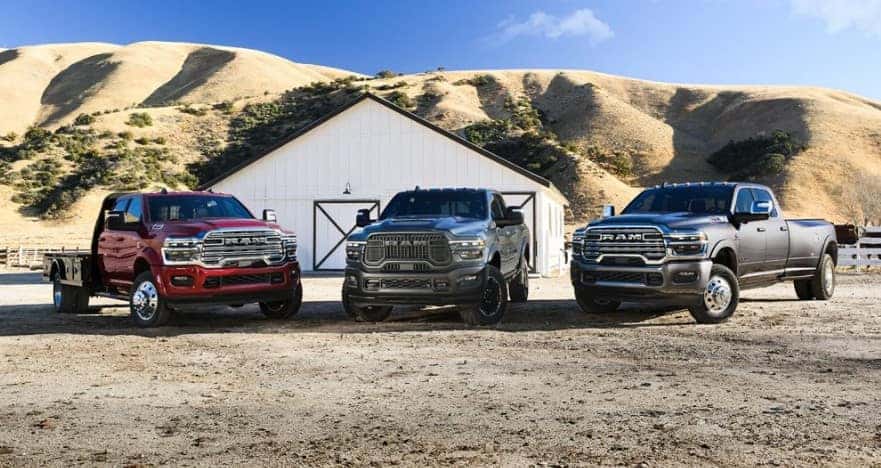
If you’re a small business owner investing in new commercial vehicles, the 2025 Section 179 tax deduction offers a powerful opportunity. You can deduct large portions of your vehicle purchase immediately, rather than waiting years to depreciate it. It’s especially beneficial for small businesses that rely on trucks, vans or commercial-use vehicles because it improves cash flow, lowers taxable income in the year of purchase, and supports upgrading your fleet now. When used correctly, Section 179 reduces your tax burden and frees up capital to invest back into your business. The deduction works hand-in-hand with Bonus Depreciation to maximize first-year write-offs, particularly for heavy-duty vehicles. Here’s how it works, what you need to know, and how you can take advantage of it.
For 2025, businesses may also claim 100% bonus depreciation on eligible equipment (including qualifying vehicles) after applying Section 179. This means after you deduct as much as you can via Section 179, you may deduct the remainder of the vehicle’s cost (if eligible) in the first year via bonus depreciation.
Combining Section 179 + 100% bonus depreciation can significantly reduce the taxable cost of your commercial vehicle in year one—subject to your business income, eligibility, and IRS rules.
Q: How does Section 179 apply to vehicles?
A: Businesses can utilize Section 179 to deduct the entire cost of eligible vehicles within the same tax year they are used, which means Section 179 allows for an immediate deduction that lowers taxable income. To claim your Section 179 deduction, fill out Part I of IRS Form 4562 for the year you begin using the vehicle. If your situation is unique or complicated, it’s advisable to seek advice from a tax professional.
Q: Can I use Section 179 if I lease or finance a vehicle?
A: Yes, you can take advantage of Section 179 for both leased and financed commercial vehicles, provided they meet the IRS requirements for business use and weight. Additionally, ensure that the commercial vehicle is registered in your business’s name and is put into service by the end of the year of purchase to be eligible for the Section 179 deduction (and bonus depreciation, if applicable).
Q: What is the difference between Section 179 and bonus depreciation?
A: Section 179 allows business owners to deduct specific dollar amounts from their taxes, whereas bonus depreciation provides a percentage-based deduction. Both Section 179 and bonus depreciation pertain to commercial assets utilized for business activities, and both continue to be effective under the updated legislation for 2025. Many businesses opt for bonus depreciation to enhance their deductions after exceeding their Section 179 thresholds.
Q: Can I deduct the full vehicle cost in year one under Section 179?
A: Potentially yes—if the vehicle qualifies (weight class, >50% business use, placed in service in 2025) and you’re within the overall deduction and phase-out limits. For heavy vocational vehicles there’s no special vehicle cap, so you may deduct the full cost (up to the overall Section 179 limit).
Q: Does this apply to both new and used vehicles?
A: Yes. Section 179 allows deduction for both new and used qualifying equipment or vehicles so long as they are “new to you” and meet the other requirements.
Q: What happens if I exceed the phase-out threshold?
A: If total qualifying purchases exceed the spending cap (for example above $4,000,000 in purchases for 2025), your Section 179 deduction begins to be reduced dollar-for-dollar; if it reaches the fully-phased-out threshold (e.g., $6,500,000) you may not be able to take the Section 179 deduction for that tax year.
Q: How do vehicle weight ratings (GVWR) impact the deduction?
A: The IRS uses Gross Vehicle Weight Rating (GVWR) to classify vehicles. Lighter vehicles (under ~6,000 lbs) have a low cap (around $20,400 in 2025). Heavier vehicles (6,001-14,000 lbs) get a higher cap (~$31,300). Vehicles beyond that (over ~14,000 lbs), especially vocational or built exclusively for business use, often avoid the typical passenger-vehicle caps.
Q: If I take Section 179, can I still use bonus depreciation?
A: Yes—typically you apply Section 179 first (up to allowable limits) and then apply bonus depreciation to the remaining basis of the asset (if eligible). This allows you to maximize first-year write-offs.
When you’re ready to upgrade your fleet, the commercial program at Spitzer offers a wide variety of new and used commercial trucks, vans and utility vehicles tailored to businesses. With the powerful 2025 Section 179 deduction and bonus depreciation in your tax-savings toolkit, now is a smart time to invest in your business assets. Visit Spitzer’s commercial program to explore inventory, discuss business-use eligibility, and make a vehicle purchase that works hard for your bottom line.
Note: Check with your tax professional regarding deduction tax rules at the time you file your taxes.


